From the soft hush of a cotton sheet to the cool weave of linen and the breathable comfort of bamboo, bedding fabrics shape not only how we sleep but how we feel about our personal spaces. The three fibers—cotton, linen, bamboo—each embody a history, a set of properties, and a care routine that, when understood, can transform a bed into a sanctuary. In this guide, we examine handfeel, breathability, durability, and maintenance, offering practical tips to help readers choose the best fabric for their climate, sleep style, and values.
Fiber Fundamentals: What Each Material Is Made Of
Cotton is a natural‑cellulosic fiber harvested from the cotton plant. Its long fibers yield softness, strength, and a versatile feel from crisp percale to silky sateen. The fiber length, twist, and finishing influence texture, luster, and how it wears over time. Linen, derived from the flax plant, is prized for its natural irregularity, airiness, and exceptional moisture management. Bamboo fabric—often a viscose or other blend—offers a smooth hand and sometimes enhanced moisture wicking, though production methods vary widely in sustainability profiles.
Handfeel and Breathability: How It Feels Night After Night
Cotton sheets can range from light and crisp to soft and plush, depending on thread count, weave, and finishing. Percale (a plain weave) delivers a cool, matte surface with a crisp feel, ideal for hot sleepers. Sateen, by contrast, has a smoother, more lustrous surface and can feel warmer. Linen sheets are renowned for temperature regulation and a relaxed, airy drape; their textured surface helps with air movement, which can feel cooler in warm conditions but may soften with use. Bamboo fabrics tend to feel very smooth and often cool against the skin, though outcomes depend on the processing method and blend ratios.
Durability, Care, and Longevity: Keeping Bedding in Top Form
Durability is a function of fiber strength, weave, and finishing. Cotton, especially long‑staple varieties such as Egyptian or Pima, tends to wear well with routine laundering. Linen gets stronger with each wash and develops a softer hand but can feel stiffer initially and may shed some lint in early uses. Bamboo’s longevity depends on the fiber derivation and fabric construction; blends can offer balance between softness and resilience. Care practices—washing temperature, detergent choice, and drying cycles—play a larger role in longevity than fabric alone.
Environmental and Ethical Considerations: Weaving Sustainability into Sleep
Sustainability extends beyond fiber choice to include farming practices, processing, dyeing, and end‑of‑life considerations. Organic cotton minimizes pesticide exposure in cotton farming, while linen production has historically relied on flax’s relatively low pesticide footprint. Bamboo can be a sustainable option when sourced responsibly and processed with transparent standards. Certifications, such as Global Organic Textile Standard (GOTS) for cotton or Oeko-Tex for textiles, offer guidance, but readers should examine the entire supply chain. Consumers can influence outcomes by prioritizing quality over quantity, choosing durable fabrics, and adopting mindful care routines that extend product life.
Practical Decision Framework: Choosing for Sleep Type, Climate, and Care Capacity
To determine the best fiber for your bed, consider these questions: Do you sleep hot or cold? Are you sensitive to fabrics or skin irritants? What is your budget for premium bedding versus everyday staples? Do you prioritize organic farming, closed‑loop processing, or a specific weave that affects feel? The framework below offers a concise approach to decision-making.
- Sleep climate: In warmer environments, seek breathable fibers like percale cotton or linen. In cooler climates, a slightly warmer option like cotton sateen or blended fabrics may be desirable.
- Texture preference: Crisp and cool versus silky and smooth. Percale yields a crisp feel; sateen offers a smoother surface; linen provides a textured, breathable surface.
- Care tolerance: If you want minimal ironing, sateen or blends may be easier to maintain; linen benefits from a routine that accommodates its natural wrinkling and faster moisture wicking.
- Durability and value: High‑quality long‑staple cotton and linen often deliver longer lifespans; bamboo can offer a luxury touch with a different care regime depending on the fabric’s construction.
- Sustainability priorities: Organic cotton and linen carry well‑documented environmental narratives; always check certified sources and traceability in the supply chain.
A Three-Time Reference: Key Figures Across Eras
This guide to bedding materials benefits from perspectives across time—figures who influenced textile science, industry practice, and everyday fabric selection. Here are three pivotal individuals from distinct periods, whose ideas and work shaped how we think about fibers, weaving, and the sleep environment today.
1) James Clark Maxwell (1831–1879) — Theoretical Foundations of Matter and Light
Though primarily known for physics, Maxwell’s insights into materials and energy exchange underpin the modern study of textiles, including heat transfer, moisture movement, and comfort in fabrics. His work informs the scientific understanding of how fabrics influence sleep environments—how breathability governs thermal regulation and, ultimately, comfort during rest.
2) Florence N. (F.N.) North — Pioneering Textile Care and Consumer Guidance (late 19th to early 20th century)
As textile markets expanded into households, North’s era emphasized practical care, fabric longevity, and user education. Her stance on regular laundering, appropriate detergents, and fabric handling echoes in today’s care guides—an enduring thread in how we select and maintain bedding for lasting comfort.
3) Katharine Hamnett (mid‑20th century) — Materials Innovation and Sustainability Awareness
In a period of growing attention to materials innovation and environmental responsibility, Hamnett’s era contributed to an ethos of questioning fiber origins, dyeing practices, and longevity. The modern reader can trace this lineage in contemporary sustainability discussions around organic cotton, linen farming, and responsible processing in textile supply chains.
Putting It All Together: A Practical Shopping and Care Guide
Choosing bedding materials is about aligning tactile experience with lifecycle expectations. For readers who want a practical reference, here is a concise comparison to keep in mind when evaluating products, care instructions, and long‑term use. This guide is intended to help readers navigate the balance between comfort, durability, and sustainability, whether shopping for a whole bed ensemble or selecting components piece by piece.
| Material |
Handfeel |
Breathability |
Durability |
Care Notes |
Sustainability Profile |
| Cotton (long‑staple) |
Soft to crisp; versatile |
Good to excellent depending on weave |
Very durable with proper care |
Machine wash; adjust for percale or sateen finishes |
Organic options available; widely certified |
| Linen (flax) |
Textured, airy; evolves with wash |
Excellent moisture management |
Very durable; may soften with use |
Better with cooler washes; may wrinkle |
Low pesticide footprint; flax is a robust crop |
| Bamboo (viscose or blend) |
Smooth, silky feel |
Typically cool and breathable |
Good durability in blends; varies by processing |
Follow label; some blends require gentler cycles |
Varies; look for transparent processing certifications |
Incorporating a Product Note: Vermont Shaker Bed as a Reference
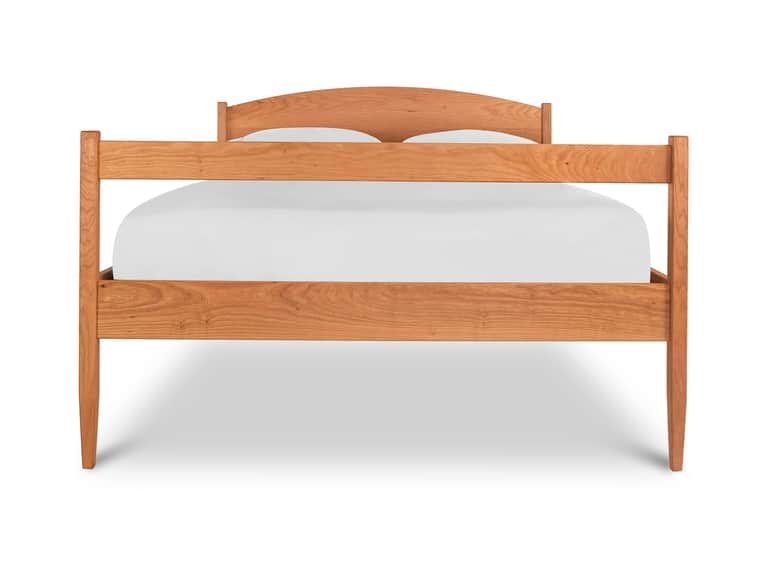
As you explore bedding, consider how the bed frame itself contributes to a restful environment. The Vermont Shaker Bed, handcrafted in Vermont from solid hardwood, offers a model of durability and timeless design that complements a durable bedding system. Its simple, clean lines and robust joinery echo the ethos of high‑quality textiles: materials chosen with care, finishes that honor the grain, and an aesthetic that supports long‑term comfort. In this article, we draw on this concept to remind readers that the bed and its linens should work together to create a coherent sleep environment.
Product Spotlight: Vermont Shaker Bed
Name: Vermont Shaker Bed
Origin: Vermont, United States
Material: Solid hardwood
Description: Solid hardwood Vermont Shaker Platform Bed with a curved headboard and blanket rail, handcrafted for lasting stability and minimalist appeal. A sturdy foundation for a mattress, designed to endure generations of use.
Price: 3188.00 USD
The Vermont Shaker Bed serves as a reminder that the bedroom is an integrated system—frame, foundation, sheets, and coverings—that together shape sleep quality. When selecting bedding materials, consider how the fabric’s performance interfaces with your bed’s design, your room’s temperature, and your personal comfort profile. The aim is a cohesive space where materials, textures, and finishes reinforce serenity and restoration.
Conclusion: A Thoughtful, Informed Approach to Bedding Materials
The cotton‑linen‑bamboo triad does not simply represent a set of options; it reflects a spectrum of experiences in the bedroom. Cotton offers familiar versatility, linen provides robust breathability and a distinctive character, and bamboo presents a modern softness with a strong emphasis on comfort. Each fabric has a story—of farming, processing, and care—that intersects with the rhythms of daily life and the science of sleep. By understanding the fiber properties, weave types, care requirements, and sustainability implications, readers can make empowered choices that align with their sleep health, lifestyle, and values.
Notes: This article reflects standard bedding materials commonly used in sheets and coverings and references general textile science principles. Actual performance depends on fiber origin, weave, finishing, and care practices. For readers seeking deeper dives, consult textile standards and certifications, and consider experimenting with sample swatches before purchasing larger quantities.
Keywords: bedding materials, cotton bedding, linen sheets, bamboo fabric, fiber properties, care tips, sustainability in textiles